U.S. Core Retail Sales Advance 4.2% Despite Rising Gas Prices & Consumer Price Increases
Retail vacancy rose 20 basis points from December 2025 to March 2026; however, the sector’s rate remained below 5.1 percent for an 18th straight quarter.
From Marcus & Millichap research:
| 4.2% | 0.6% |
|---|---|
| Year-Over-Year Rise in Core Retail Sales | March Increase in Core Retail Sales |
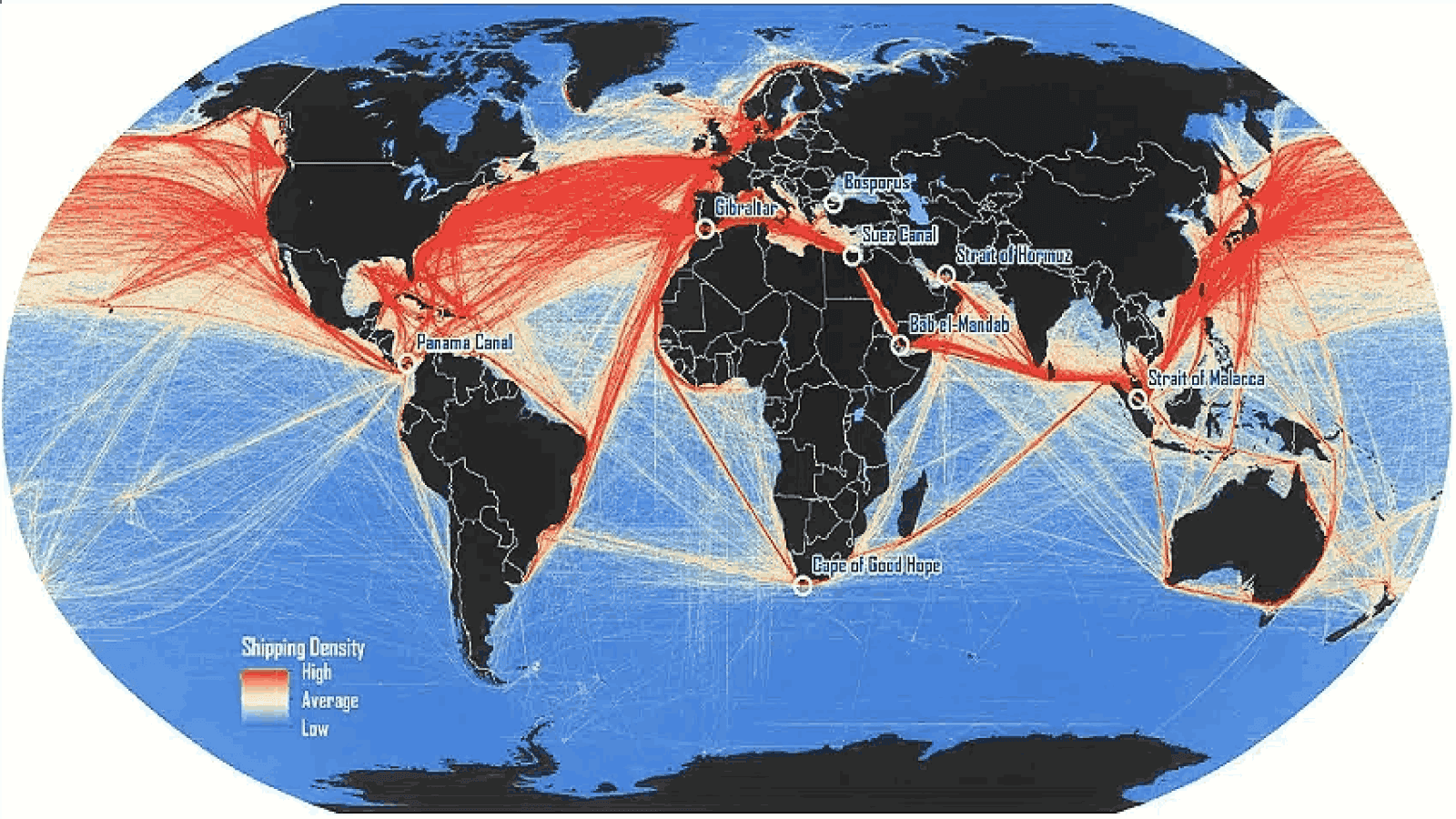
The macroeconomic environment in the first quarter of 2026 has been defined by the closures in the Strait of Hormuz, which precipitated a 21.1% surge in gasoline prices throughout March. While Washington recently announced an extension of the current ceasefire agreement with Iran, ongoing port blockades suggest that elevated oil prices will remain a persistent headwind. Yet, despite these inflationary pressures, core retail sales—which exclude the volatile auto and gasoline sectors—rose 0.6% month-over-month in March, contributing to a robust 4.2% year-over-year expansion in consumer spending.
This resilience is particularly notable given the moderation in domestic income growth. Adjusted for inflation, average hourly earnings rose a marginal 0.3% over the trailing twelve months, indicating that consumers are sustaining their spending volumes not through proportional wage gains, but through aggressive behavioral shifts and temporary liquidity injections.
The Margin Rotation: Capitalizing on the Bulk Consumer
As the pricing architecture of everyday goods remains elevated, consumer capital is rapidly migrating toward value-oriented channels. General merchandise stores, a category heavily anchored by warehouse clubs, reported a 1.0% month-over-month sales increase in March. This represents the sector's most significant volume gain in two years.
This shift in consumer gravity is immediately translating into aggressive capital expenditure and real estate acquisition strategies among the segment's dominant operators. Recognizing the sustained demand for bulk purchasing, Sam’s Club, Costco, and BJ’s Wholesale Club are each targeting the deployment of 15 to 25 new locations within the current fiscal year. Strategically, these operators are bypassing ground-up development in favor of backfilling existing, second-generation retail spaces. This expansion mandate is providing a critical liquidity boon for single-tenant leasing activity, effectively stabilizing the market for big-box assets exceeding 100,000 square feet.
The Tax Refund Buffer
The current retail volume is also being temporarily buoyed by a significant macroeconomic stimulus in the form of elevated federal tax returns. The average household tax refund this year reached $3,462, representing an 11% year-over-year increase. For many demographics, this equates to a liquidity injection of $500 to $1,000 above historical averages.
While core Consumer Price Index (CPI) metrics rose a modest 0.2% last month—suggesting that the March fuel spike has not yet fully cascaded into the broader supply chain—this surplus tax capital is providing households with the necessary buffer to absorb localized inflation without contracting their discretionary purchasing or defaulting on consumer debt obligations. This dynamic is expected to serve as a near-term tailwind for real gross domestic product (GDP) growth through the second quarter.
Capital Markets and Net-Lease Resilience
The underlying fundamentals of the commercial real estate market reflect this sustained, albeit shifting, consumer demand. Retail vacancy experienced a slight 20-basis-point upward drift from December 2025 to March 2026. However, the sector’s aggregate vacancy rate has remained below the 5.1% threshold for an unprecedented 18 consecutive quarters. Both single-tenant and multi-tenant property types entered the second quarter with vacancy rates tracking at least 70 basis points below their historical long-term averages. Moving forward, a broad industry pullback in new construction starts will artificially constrain supply, allowing landlords of vacant properties to maintain pricing power in their pursuit of high-credit tenancy.
This operational stability is drawing significant institutional capital back into the retail sector. Overall deal flow within the retail market increased by 21% over the twelve months ending in March, compared to the prior yearlong interval.
The institutional appetite for predictable, management-light yields was codified this month in the single-tenant segment. Apollo Global Management formally announced the deployment of $1 billion to acquire a 49% equity stake in a targeted portfolio of single-tenant, net-leased properties operated by Realty Income. This transaction not only establishes a pricing floor for high-quality retail assets but signals that institutional credit allocators view the underlying U.S. consumer as stable enough to underwrite massive, long-term net-lease structures, even amid historic energy volatility.

Follow Us
Recent Blog Posts
Read the Blog
CenterCheck 2026 Review: Details & Features
25 min read

A&E’s $600M Loan Default Highlights Rent-Regulated CMBS Struggles
10 min read
Spirit Halloween Is Acquiring Hot Topic. Here’s What Retail Owners Should Watch For
10 min read

How Comic-Con 2026 Impacted Retail Sales in San Diego: 10 Findings for Retail Real Estate
10 min read