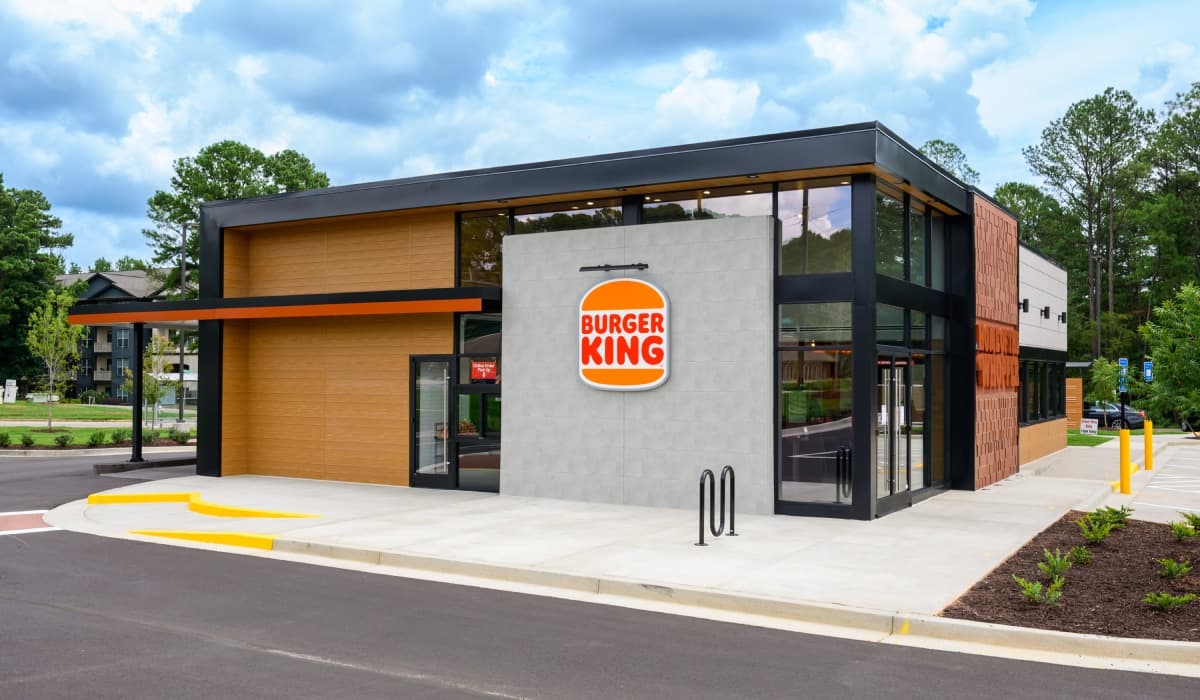
Burger King Turnaround Yields Mixed Margin Results
Restaurant Brands International Outlines Aggressive 2028 Expansion Targets
Restaurant Brands International (RBI) utilized its recent Investor Day to outline an aggressive long-term development pipeline, projecting a net restaurant growth rate exceeding 5% to reach approximately 1,800 net new locations annually by 2028. The strategic update underscores a bifurcated reality for the holding company: while its smaller portfolio brands achieve compelling unit economics, its flagship domestic Burger King operation continues to navigate severe commodity headwinds amidst a multi-year capitalization effort.
Burger King’s Unit Economics and Margin Compression
The financial narrative surrounding Burger King’s U.S. operations reveals a tension between top-line sales momentum and bottom-line margin compression. Entering the fourth year of its "Reclaim the Flame" turnaround initiative, the brand posted a 2.6% lift in fourth-quarter comparable sales and a 1.6% increase for fiscal 2025. This marks the fourth consecutive year of same-store sales outperformance relative to the broader quick-service burger category.
However, franchisee profitability experienced a material contraction in the trailing twelve months. Average unit profitability declined to $185,000 in 2025, retreating from a peak of approximately $205,000 in 2023 and 2024. RBI management attributed this margin degradation entirely to external macroeconomic factors, specifically noting a year-over-year surge in beef costs exceeding 20%. Adjusting for these commodity spikes and specific accounting-related advertising fund transfers, core franchisee operational margins reportedly expanded.
Despite the margin pressures, the franchise base demonstrated sustained confidence in the corporate turnaround strategy. In a critical vote of alignment, 97% of domestic operators elected to maintain an elevated advertising contribution rate of 4.5% through at least 2027. This elevated capital commitment is structurally linked to future performance, set to extend into 2028 contingent upon the U.S. system achieving an average unit profitability target of $230,000 by 2027.
Corporate Refranchising and Capital Expenditure Adjustments
In an effort to optimize its domestic asset base, Burger King announced a strategic divestiture of corporate-owned real estate. The company plans to refranchise between 300 and 500 corporate locations to smaller, highly localized operating groups. The brand concluded fiscal 2025 with an established footprint of 6,649 U.S. restaurants.
Simultaneously, management revised its expectations regarding systemwide capital expenditures. The brand had previously established a target of achieving 85% "modern image" penetration across its portfolio by 2028. While modern image penetration increased from 37% in 2021 to 58% in 2025, Chief Executive Officer Josh Kobza signaled that reaching the 85% threshold will require an extended timeline due to persistent macroeconomic friction impacting remodeling costs.
Portfolio Diversification: Firehouse Subs and Tim Hortons
Beyond its flagship burger operation, RBI is increasingly relying on Firehouse Subs as a primary engine for North American unit expansion. The fast-casual sandwich brand is projected to contribute up to half of the company's regional net new units, targeting 150 to 200 openings annually. In 2025, Firehouse Subs accelerated its net restaurant growth from 6% to 8%, deploying 104 net new locations across the U.S. and Canada. This expansion is validated by robust unit-level economics; the brand reported a 2.1% increase in Q4 comparable sales and an expansion of average franchisee profitability past the $100,000 threshold.
The remaining domestic growth allocation will be divided between Tim Hortons and Popeyes. Tim Hortons, which exited 2025 with 683 U.S. units, will focus its development capital on contiguous market expansion across states including Florida, Texas, and New York. Conversely, Popeyes, operating 3,196 domestic locations, intentionally tempered its 2025 development cadence as corporate leadership focuses on stabilizing unit-level operations before reaccelerating capital deployment.
International Expansion and Joint Ventures
On the international front, RBI's strategy relies heavily on formalized joint ventures. A newly established $350 million joint venture with Chinese firm CPE is targeted with doubling Burger King’s footprint in China to 2,500 locations within five years. Excluding the Chinese market, the conglomerate projects an annual development pace of 1,100 net new international outlets by 2028, heavily weighted toward established growth markets including India, the United Kingdom, and Mexico, where average capital paybacks currently sit below a four-and-a-half-year horizon.

Follow Us
Recent Blog Posts
Read the Blog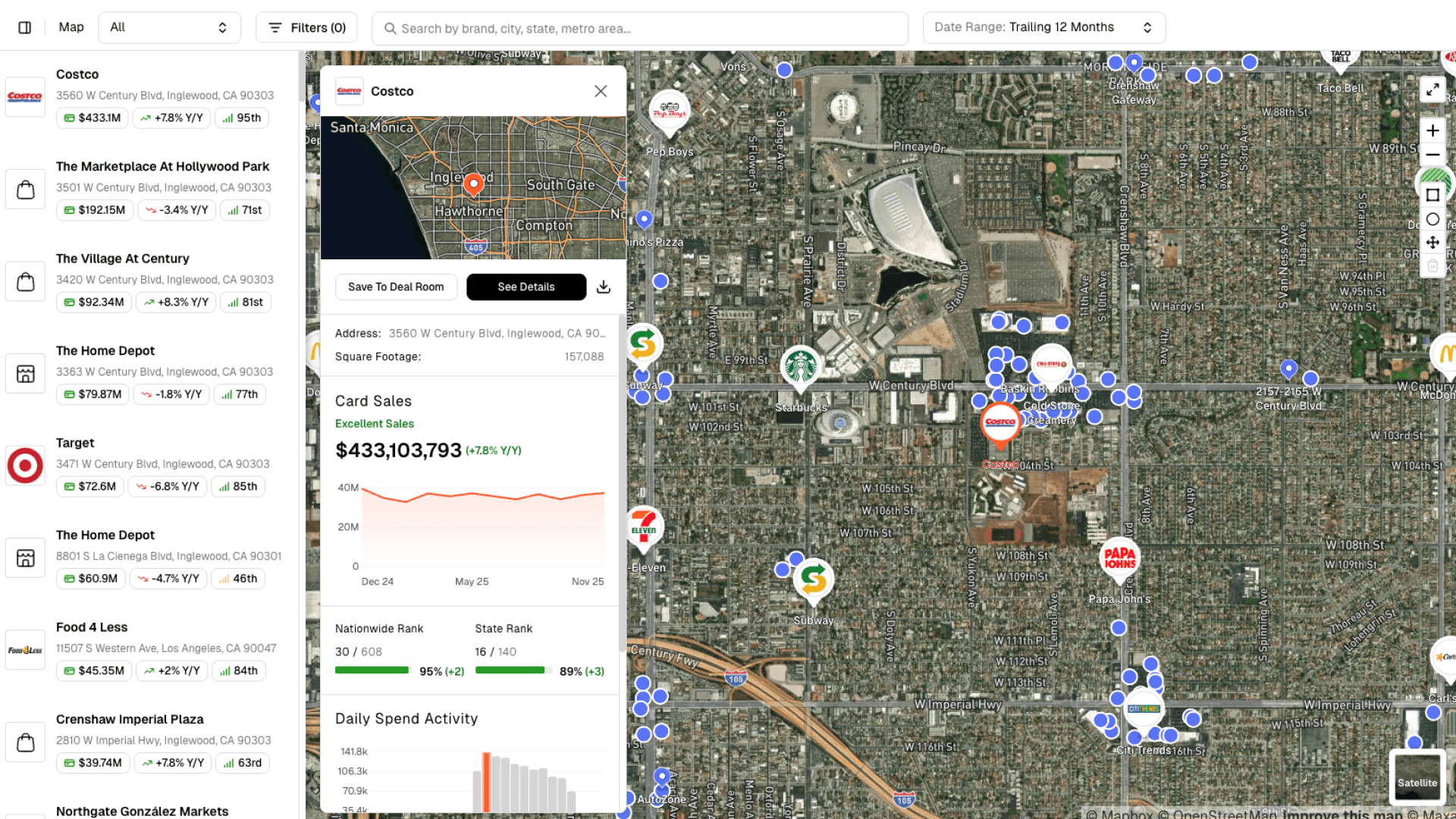
CenterCheck 2026 Review: Details & Features
25 min read
A&E’s $600M Loan Default Highlights Rent-Regulated CMBS Struggles
10 min read
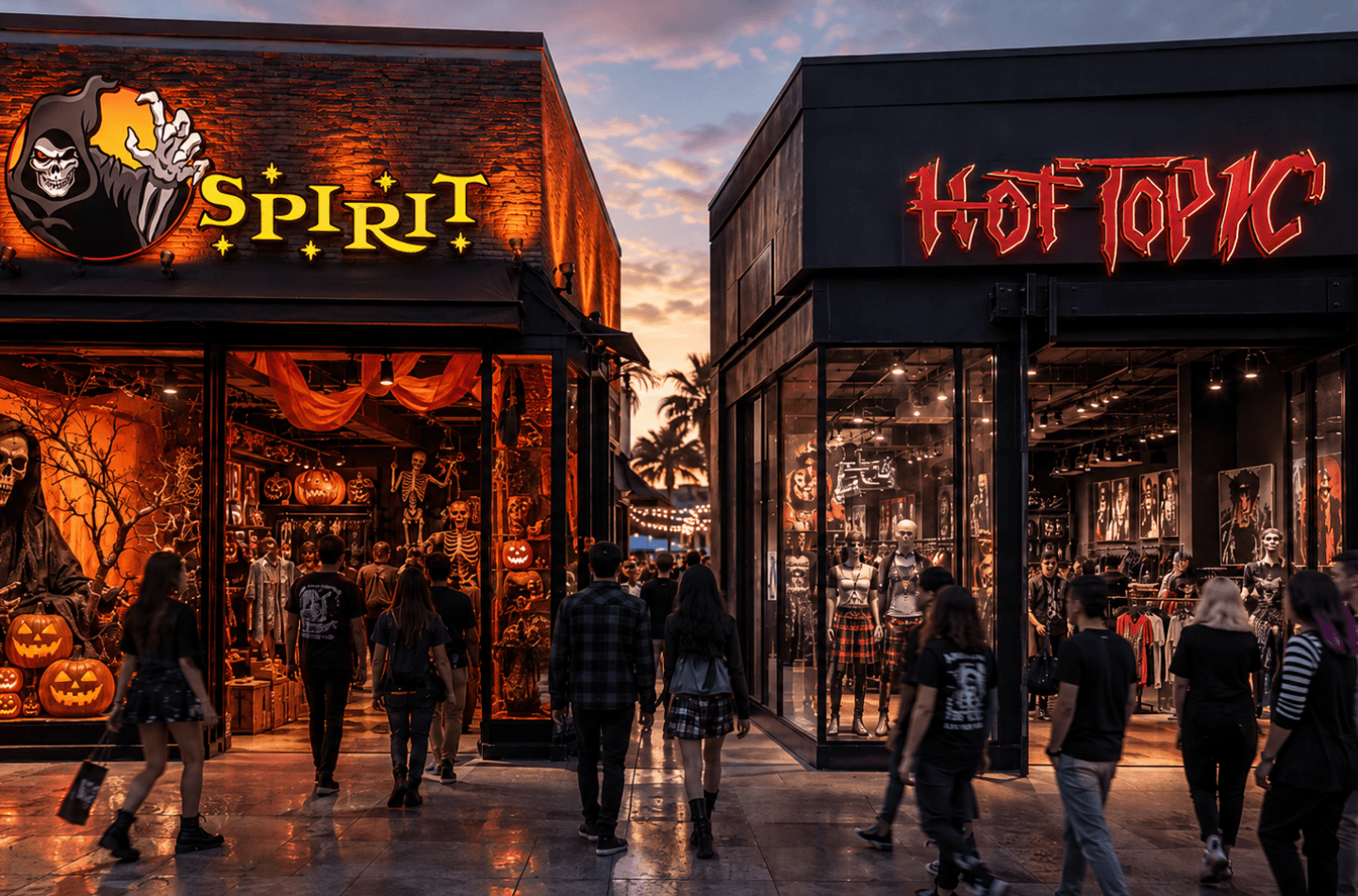
Spirit Halloween Is Acquiring Hot Topic. Here’s What Retail Owners Should Watch For
10 min read

How Comic-Con 2026 Impacted Retail Sales in San Diego: 10 Findings for Retail Real Estate
10 min read